Septic System Inspection in Carmel, IN
Septic system inspection in Carmel, IN. We check tank, baffles, and drain field to catch problems early and flag septic system repair before it gets worse.
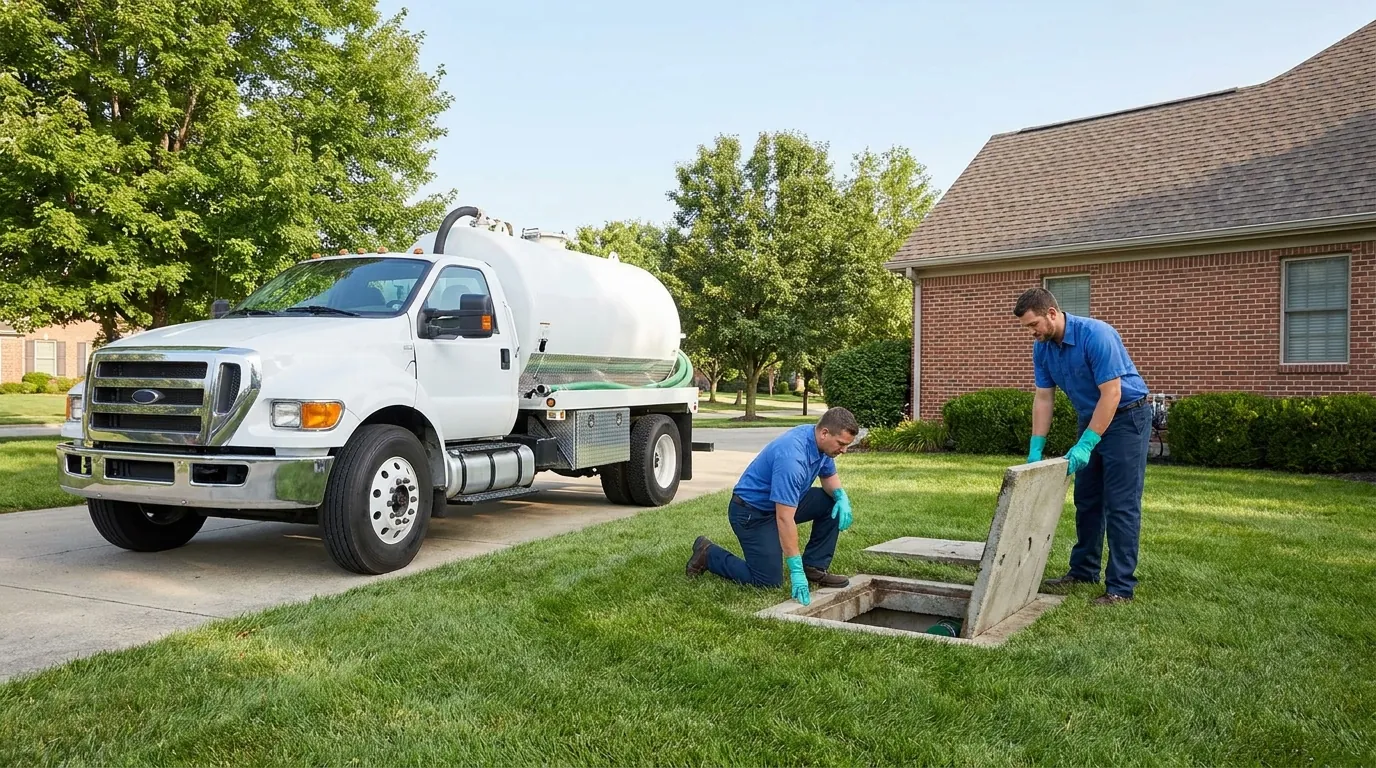
What an inspection tells you
A septic system inspection is a structured look at every part of the system: the tank, the baffles, the liquid levels, and the drain field. The goal is to find problems while they are still small — a cracked baffle, an early sign of a saturated field, a tank that has been running overfull for years. Catching these early is the difference between a modest fix and a major septic system repair.
People in Carmel usually book an inspection for one of three reasons: they are buying or selling a home with a septic system, they have noticed something off (slow drains, odors, wet spots), or they simply want a baseline before committing to a maintenance schedule. Whatever the reason, you come away with a written picture of the system's condition and a clear list of what, if anything, needs attention.
An inspection pairs naturally with routine septic tank pumping, because an empty tank is far easier to evaluate. If we find the field struggling, we can move directly into drain field service rather than starting over.
How we inspect a system
A thorough inspection in Carmel generally includes these steps.
-
Records and layout review
We start with whatever you know: tank age, last pumping date, and the general layout. This tells us where to dig and what to expect.
-
Open and measure the tank
We open the access lids and measure the sludge and scum layers. A tank that is chronically overfull points to an interval problem or a field that isn't accepting flow.
-
Check baffles and structure
We examine the inlet and outlet baffles, the tank walls, and the lids for cracks, corrosion, and leaks — common failure points that lead to septic system repair.
-
Evaluate the drain field
We look for ponding, odors, and unusually lush grass over the field, and we assess whether liquid is leaving the tank at the right level. Saturated clay-loam ground is a frequent culprit here.
-
Report findings
You get a plain-language summary of the system's condition and clear recommendations, including anything that needs repair now versus what to watch.
Local conditions we watch for
Carmel's clay-loam soil and wet-spring pattern put specific stress on septic systems, and an inspection here is not the same as one in sandy, fast-draining ground. When the soil stays saturated for weeks, a field that would pass in dry conditions can show ponding and slow acceptance. We time our judgment accordingly and note whether a wet reading reflects a true failure or seasonal saturation.
Freeze-thaw winters are the other local factor. Repeated freezing and thawing can shift shallow components, crack aging concrete lids, and stress the pipe running from the house to the tank. During an inspection we look specifically for frost-related movement and for baffle damage, because these are the issues that turn into emergencies when the ground is frozen. If we find something urgent, our septic emergency service can respond quickly.
Book an inspection
Whether you are buying, selling, or just want to know where your system stands, we will give you an honest assessment of its condition.
Inspections available across Carmel and surrounding towns.
Frequently asked questions
When should I get a septic inspection?
Before buying or selling a home with a septic system, after noticing slow drains or odors, or every few years as part of routine maintenance. An inspection catches small problems before they become expensive septic system repair.
Do you pump the tank during an inspection?
An inspection and a pumping are separate services, but they work well together because an empty tank is easier to evaluate. Many homeowners schedule both on the same visit.
Can an inspection tell if my drain field is failing?
Yes, within limits. We check for ponding, odors, liquid levels, and how well the tank is discharging. In Carmel's clay-loam soil we also distinguish true failure from seasonal saturation after a wet spring.
What happens if you find a problem?
We explain it in plain language and lay out your options, separating what needs attention now from what you can monitor. If it's urgent, we can move directly into repair or emergency service.